

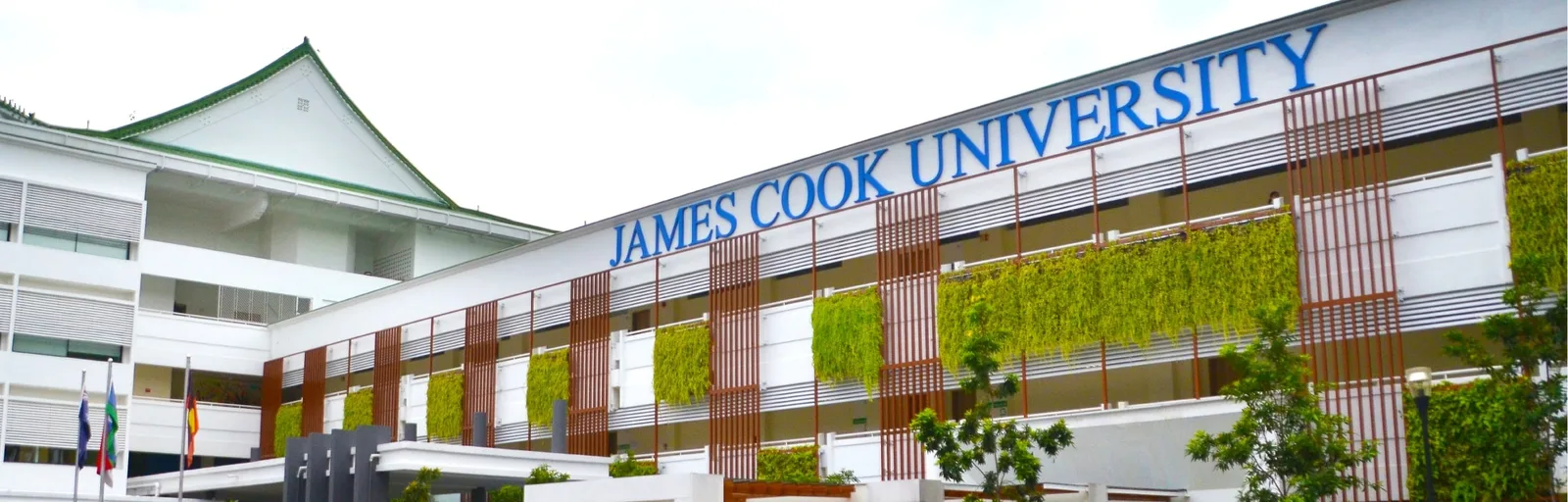

Bachelor of Business (Majoring in Hospitality and Tourism Management)

Course Qualification
Degree

Study Period
2 Years

Study Mode
Full Time

Intakes
January, May, September

Estimate Fee
RM207,117
Course Overview
The Framework of Leisure and Service Operations
Students learn how global leisure brands, premium resorts, and tour operators manage their daily commercial functions. This major investigates the logistical architecture behind guest relations, accommodation systems, and destination planning. Early semesters introduce students to foundational business principles like economic principles, consumer behavior, and financial accounting alongside specialized service management concepts. Participants spend classroom hours breaking down how large-scale hospitality properties coordinate multi-departmental workflows to maintain service standards under fluctuating market demands.
Designing Experiences and Destination Strategies
A typical day transitions away from traditional business lecture formats into practical service design and regional analysis scenarios. Students meet inside modern seminar rooms to evaluate regional tourism flows, historical visitor trends, and local conservation regulations. For major projects, participants work with raw regional visitor statistics to create tourism development plans or design mock service blueprints for boutique accommodation brands. These projects teach students to balance aesthetic guest experiences with strict financial budgets, staffing limits, and environmental guidelines.
Managing Hospitality Assets and Customer Relations
Advanced modules prepare students to make administrative decisions for international resort networks and corporate travel groups. Participants use actual case studies to evaluate how major leisure brands manage their online reputations, handle guest complaints, and respond to sudden drop-offs in seasonal demand. Learning includes structured group debates focused on service pricing tactics, vendor negotiations, and human resource management within multicultural hospitality teams. Lecturers share insights from current industry research to show how digital booking systems and mobile check-in technologies alter modern guest interactions.
Work-Integrated Learning and Practical Industry Engagement
During the final stretch of the program, students apply their strategic knowledge directly within Singapore's premier tourism environment. Eligible participants join the work-integrated learning pathway to complete a professional internship at a local hotel group, event management firm, or tourism agency. Working under active operational managers, students observe real corporate environments, audit guest services, and propose improvements to operational workflows. This transition from student life to employment is facilitated by the JCU Careers Office, which maintains ties to local recreation networks.
Strategic Leadership Pathways and Specialization
Graduates step into professional management tracks within the international hospitality, cruise, event, and travel sectors. Common career opportunities include working as a hotel operations coordinator, guest relations supervisor, travel product designer, or resort sales manager. The broad administrative training also creates a strong academic foundation for students pursuing postgraduate education, such as a Master of Business Administration or specialized research degrees in tourism policies.
Entry Requirements
Review the academic qualifications, grades, and additional criteria needed for admission to this program.

SPM
Minimum 5 credits including Mathematics (C) & English (C)
'%20fill='white'/%3e%3c/svg%3e)
'%20fill='white'/%3e%3c/svg%3e)
STPM
Minimum CGPA 3.00 including Mathematics T (C)


DIPLOMA
Minimum CGPA 3.00 including Mathematics T (C)
'%20fill='black'/%3e%3c/svg%3e)
'%20fill='black'/%3e%3c/svg%3e)
A-LEVEL
Minimum CGPA 3.00 including Mathematics T (C)


O-LEVEL
Minimum CGPA 3.00 including Mathematics T (C)
ADDITIONAL REQUIREMENTS
- MUET Band 3 or above
- IELTS Overall 6.0 or above
- Has at least one industry level certification in Engineering
Entry Requirement
About this School


Other Courses from This University
Explore all diploma, degree, and postgraduate programs available at this institution.

Courses You Might Be Interested
Explore similar diploma, degree, and postgraduate programs that you matches your interest.