

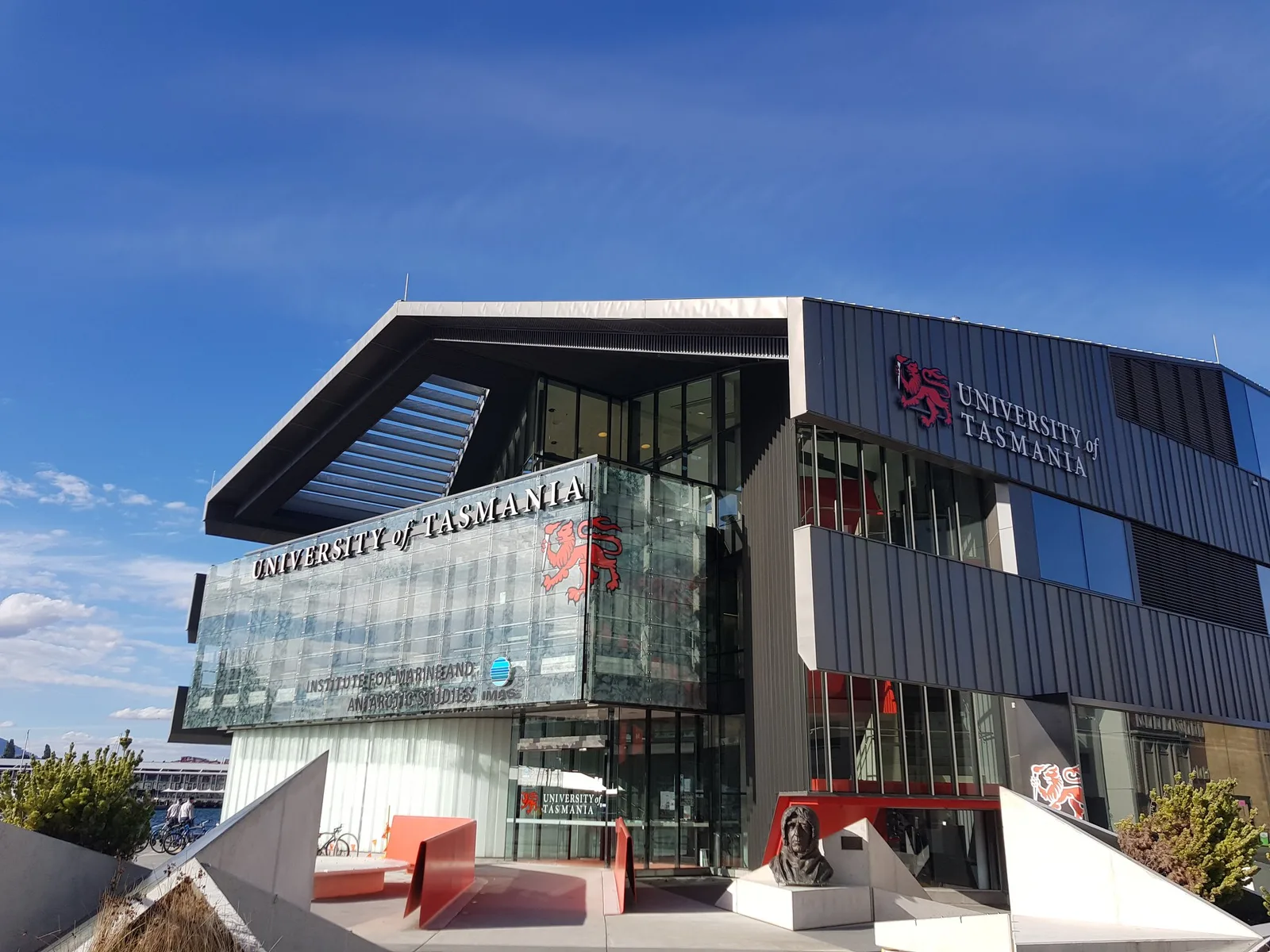
University of Tasmania
 Hobart, Tasmania, Australia
 Local University
Total Courses Offered
15 Courses

Intakes
Feb, Apr, Jul, Oct

Campus Count
1 Campus

 +61362266200
 course.info@utas.edu.au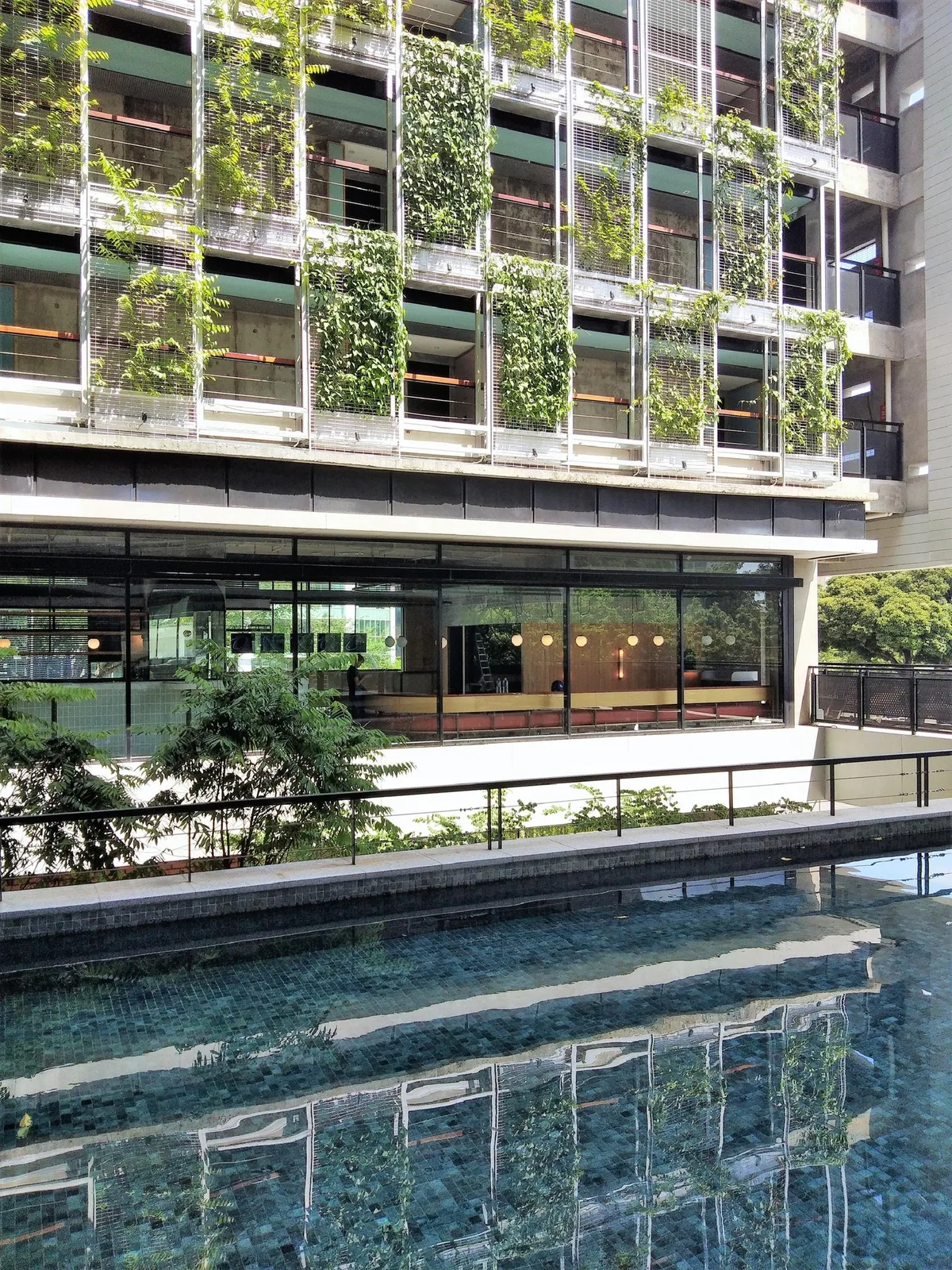
School Overview

About This University
The University of Tasmania (commonly known as UTAS) stands as Tasmania’s flagship public research university and one of Australia’s most respected tertiary institutions, with a legacy that stretches back more than 130 years. Established in 1890 as the fourth university in Australia, UTAS began as a modest institution with just a handful of lecturers and students and has since grown into a globally recognized university that balances traditional academic excellence with cutting-edge research and an unwavering commitment to sustainability and community impact.
History & Background
The University of Tasmania’s story began in the late 19th century, emerging from humble origins as a small teaching institution in Hobart. Over time, it evolved into a full university in 1890, expanding its academic reach and influence across Tasmania and beyond.
From its early days, UTAS has upheld a mission of “The field is open to talent,” embracing learners and researchers from diverse backgrounds and encouraging creativity, inquiry, and impact. Throughout its history, the university has marked important milestones, including establishing early faculties in law, arts, and science, and steadily broadening its research capabilities and global partnerships.
With a long tradition of innovation, UTAS contributed to pioneering research in areas as diverse as medical research, environmental science, marine and Antarctic studies, and technology. It has also established major research centres, such as the Menzies Institute for Medical Research, which has gained international recognition for work in public health and chronic disease research.
Campus Location & Facilities
The University of Tasmania operates a multi-campus model that reflects its commitment to accessible, community-embedded higher education. Its principal campuses are located in Hobart, Launceston, and Burnie, with additional learning hubs and research facilities throughout the state — including partnerships in Sydney — offering students flexible options for study and engagement across geographic regions.
Hobart — Main Campus (Sandy Bay):
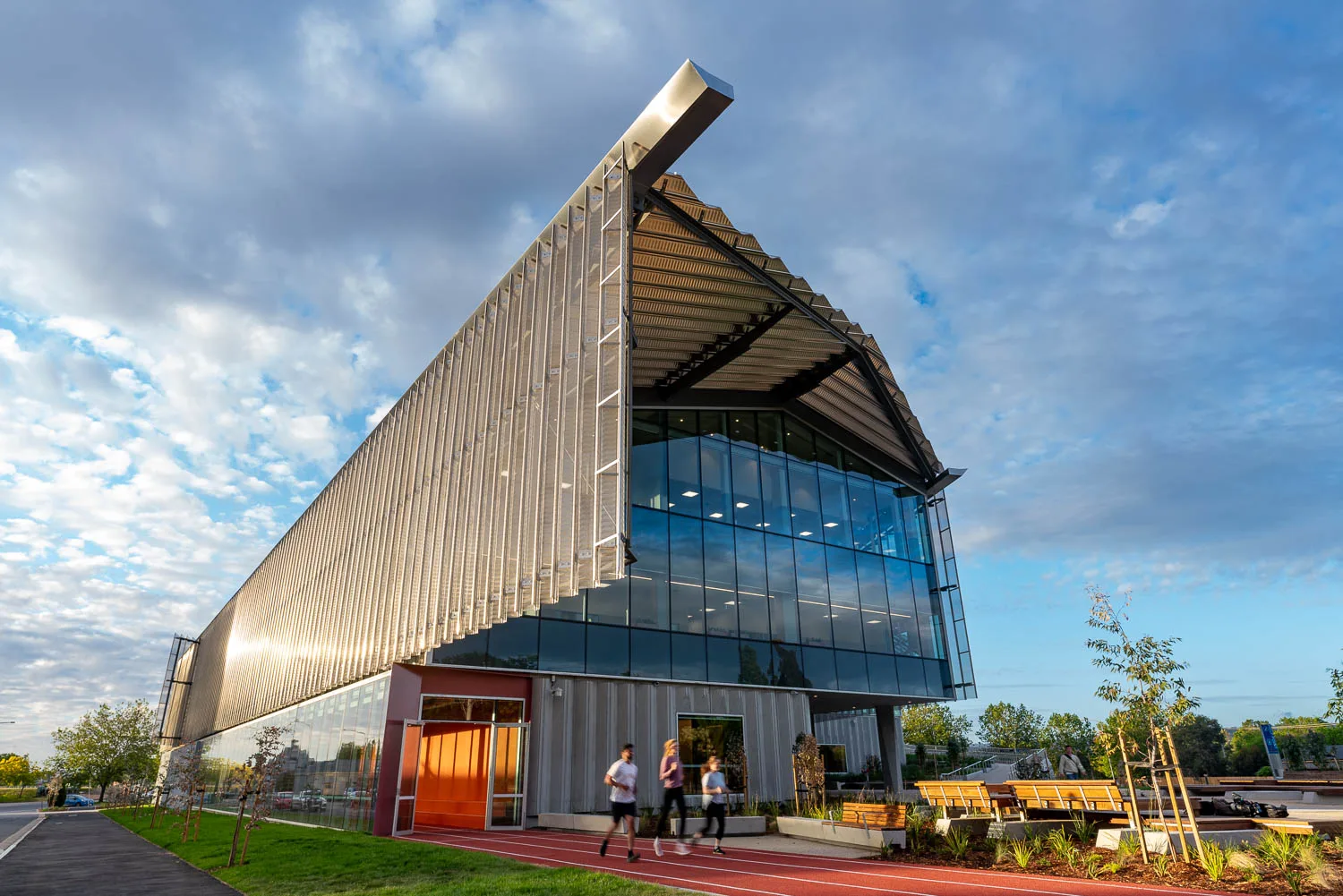
The Sandy Bay campus in Hobart is UTAS’s coeur — a vibrant hub balancing the tranquillity of coastal Tasmania with easy access to city amenities. Students benefit from a mix of heritage buildings and modern facilities, including libraries, labs, performance spaces, and collaborative learning hubs. The campus is nestled beside the River Derwent and within walking distance of beaches, parks, and local shops, giving students a lifestyle blend of academic rigour and coastal living.
Launceston & Burnie Campuses:
The Launceston and Burnie campuses further extend the university’s presence into northern Tasmania, supporting diverse academic programs and community engagement initiatives. For students seeking a more regional study experience, these campuses provide strong academic offerings with a close-knit community feel.
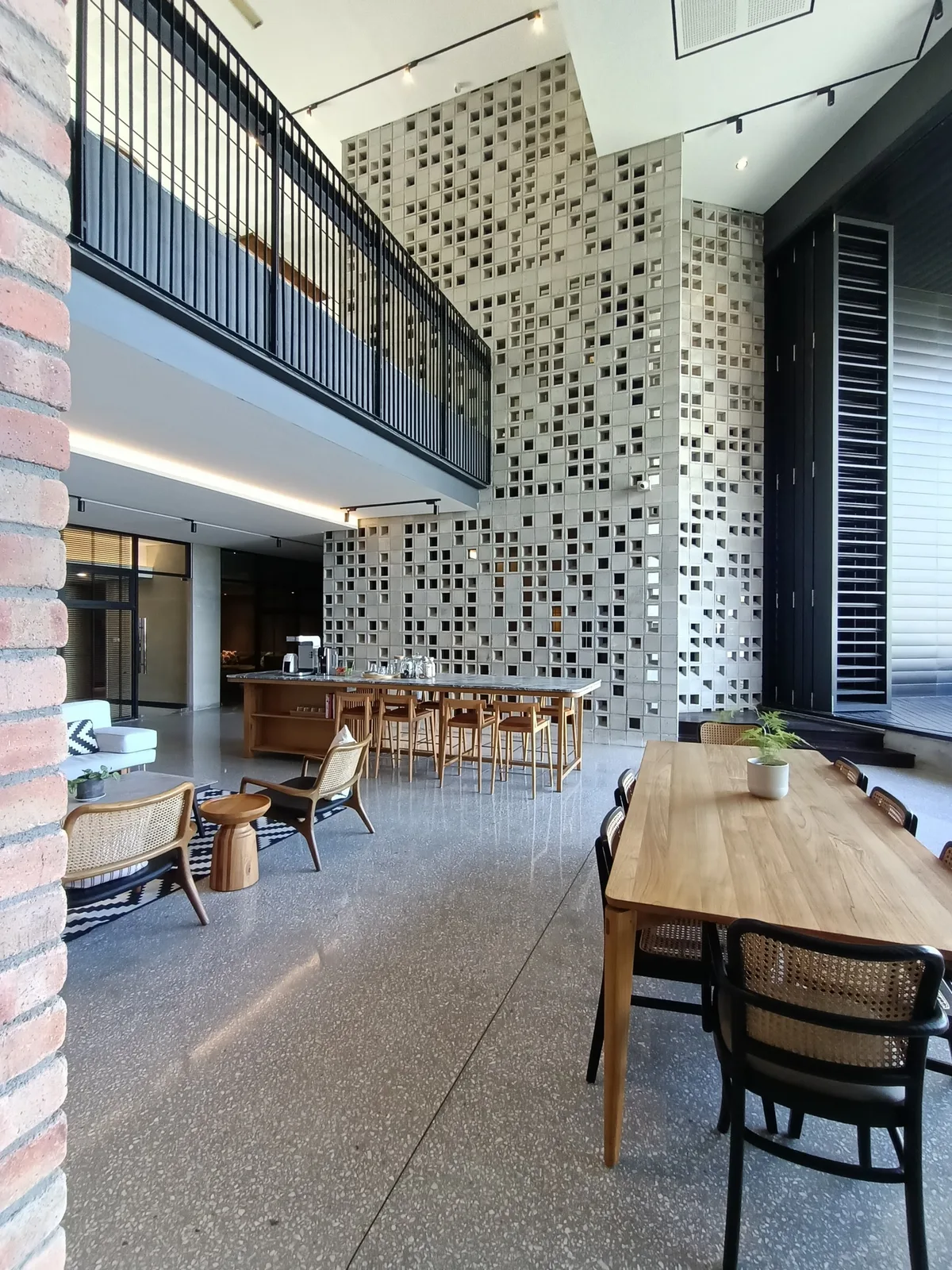
Across all campuses, UTAS offers extensive facilities for study and research, including specialised teaching laboratories, computer suites, creative arts studios, health clinics, and outdoor learning spaces. Student life facilities include modern libraries, gyms, cafés, common areas, and cultural venues — all woven into a welcoming academic ecosystem.
Programs & Courses Offered
The University of Tasmania delivers a comprehensive spectrum of undergraduate, postgraduate, and research programs across multiple fields. This academic diversity means students can pursue studies in areas such as:
- Business and Economics
- Law, Arts & Social Sciences
- Health and Medicine
- Science, Engineering & Technology
- Marine, Antarctic & Environmental Sciences
- Education, Creative Arts & Design
- Information Technology and Data Science
UTAS also offers specialised degrees — such as dual degrees and interdisciplinary pathways — that allow students to tailor their academic journey to their interests and career ambitions. Its research programs attract postgraduate scholars from around the world, emphasizing fields with global relevance, including climate science, marine biology, health innovation, and engineering.
The university’s structure is organised into colleges and faculties that fuse research and teaching excellence, such as the College of Arts, Law and Education, which integrates diverse disciplines under a collaborative academic model.
Learning Approach & Teaching
The University of Tasmania champions a student-centred learning philosophy that combines rigorous academic content with real-world skill development. Classes may include lectures, seminars, labs, workshops, group projects, fieldwork, practicum experiences, and case studies, helping students develop critical thinking, creativity, communication, and leadership skills.
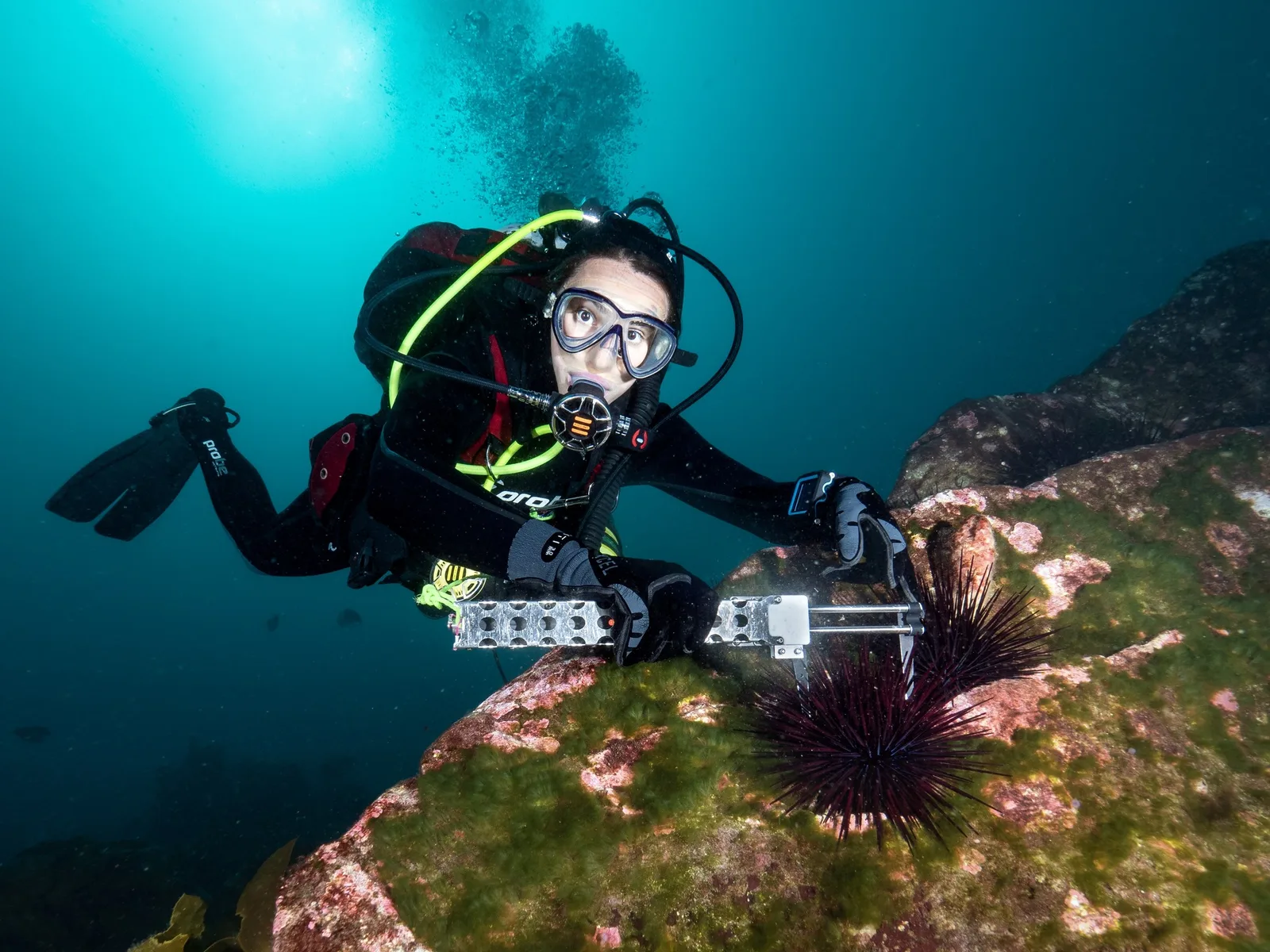
Course design often emphasises experiential and applied learning — especially in areas such as marine science, environmental studies, and health — where students benefit from Tasmania’s distinctive landscapes and research environments.
Smaller class sizes and accessible staff further enhance student engagement and support, empowering students to ask questions, explore ideas, and collaborate closely with peers and faculty mentors.
Industry Connections & Partnerships
Through its strategic partnerships with business, government, research institutions, and community stakeholders, UTAS connects students to internships, professional placements, networking opportunities, and collaborative research projects. Tasmania’s proximity to Antarctica and the Southern Ocean gives UTAS an edge in polar science, marine research, and environmental studies, linking students with global research agendas and international collaborations.
The Institute for Marine and Antarctic Studies (IMAS) exemplifies this strength, bringing together government agencies, research partners and academic expertise to address ocean and polar challenges.
Entry Requirements
Entry requirements at the University of Tasmania vary according to level of study:
- Undergraduate: Secondary school qualifications (e.g., ATAR or equivalent), English language requirements (IELTS, TOEFL, or equivalents) and, for some courses, additional criteria such as portfolios or auditions (for arts).
- Postgraduate Coursework: A recognised bachelor’s degree or equivalent, specific program prerequisites, and English proficiency above minimum thresholds.
- Research Degrees: A recognised undergraduate degree with honours or a relevant postgraduate qualification, and often a research proposal and supervisor agreement.
International students must also satisfy Visa and English language criteria set by Australian immigration and the university’s standards, designed to ensure academic success and wellbeing.
Student Support Services
UTAS places great emphasis on student wellbeing, academic success and holistic support. Services available to students include:
- Academic support and tutoring
- Wellbeing and counselling services
- Career guidance and employability workshops
- Disability support and inclusive services
- International student orientation and advising
- Peer mentoring and student advocacy
Dedicated support staff help students navigate course planning, study skills, mental health resources, financial guidance, and workplace readiness, ensuring individuals have access to help when needed.
Student Life & Community
Life as a UTAS student extends far beyond the classroom. Tasmania offers a unique blend of vibrant urban environments — particularly in Hobart and Launceston — enriched by breathtaking natural beauty, outdoor adventures, and cultural events. Students can explore the Tasmanian Museum and Art Gallery, local markets, arts festivals, and world-heritage wilderness areas.
On campus, students engage in clubs and societies spanning academic interests, social causes, recreation, culture, and more. Sporting teams, creative collectives, music gatherings and community projects add rich layers to campus culture.
Scholarships & Financial Support
The University of Tasmania offers a generous range of scholarships for international and domestic students, including merit, need-based, and specialised awards. Key scholarship offerings include:
- Tasmanian International Scholarship — automatically assessed scholarship offering 25% tuition reduction for international students.
- Early acceptance and merit-based tuition discounts.
- Additional scholarships available for research degrees (including stipends) and faculty-specific awards.
These financial supports make tertiary education more accessible and help reduce barriers for high-achieving students from diverse backgrounds.
Accommodation Options
UTAS offers a mix of on-campus and off-campus housing options to suit different student lifestyles and preferences. Accommodation services assist students in finding rooms, apartments, or shared living arrangements in Hobart, Launceston, and Burnie. Residential options often include common study areas, social spaces, and pastoral support to cultivate a supportive student community.
Graduate Outcomes
UTAS graduates are known for their strong employability and readiness for careers in their chosen fields. National and global surveys indicate that graduates show high rates of full-time employment and strong employer satisfaction, particularly in areas such as business, health, environmental science, engineering, and education.
Why Choose the University of Tasmania
What sets UTAS apart is its blend of rich historical legacy, global research impact, distinctive learning environment, and deep connections to Tasmania’s unique landscape and culture. The university has been ranked internationally for its impact on sustainability — notably achieving #1 in the world for climate action and consistently scoring among the global top for sustainability goals.
This combination of academic excellence, vibrant student community, expansive research opportunities, meaningful industry partnerships, and an inspiring island setting makes the University of Tasmania an excellent choice for ambitious students seeking a distinct, high-quality Australian university experience.
AWARDS AND RANKINGS







Course Offered
Explore all diploma, degree, and postgraduate programs available at this institution.









Featured Schools
Discover more schools and courses available.